

Permits & Legality
Are Expandable Container Homes Legal? Zoning, Permits, and Placement Guide
By the Bright Box Homes Team · 5 min read
Originally published January 4, 2025 · Updated June 2026
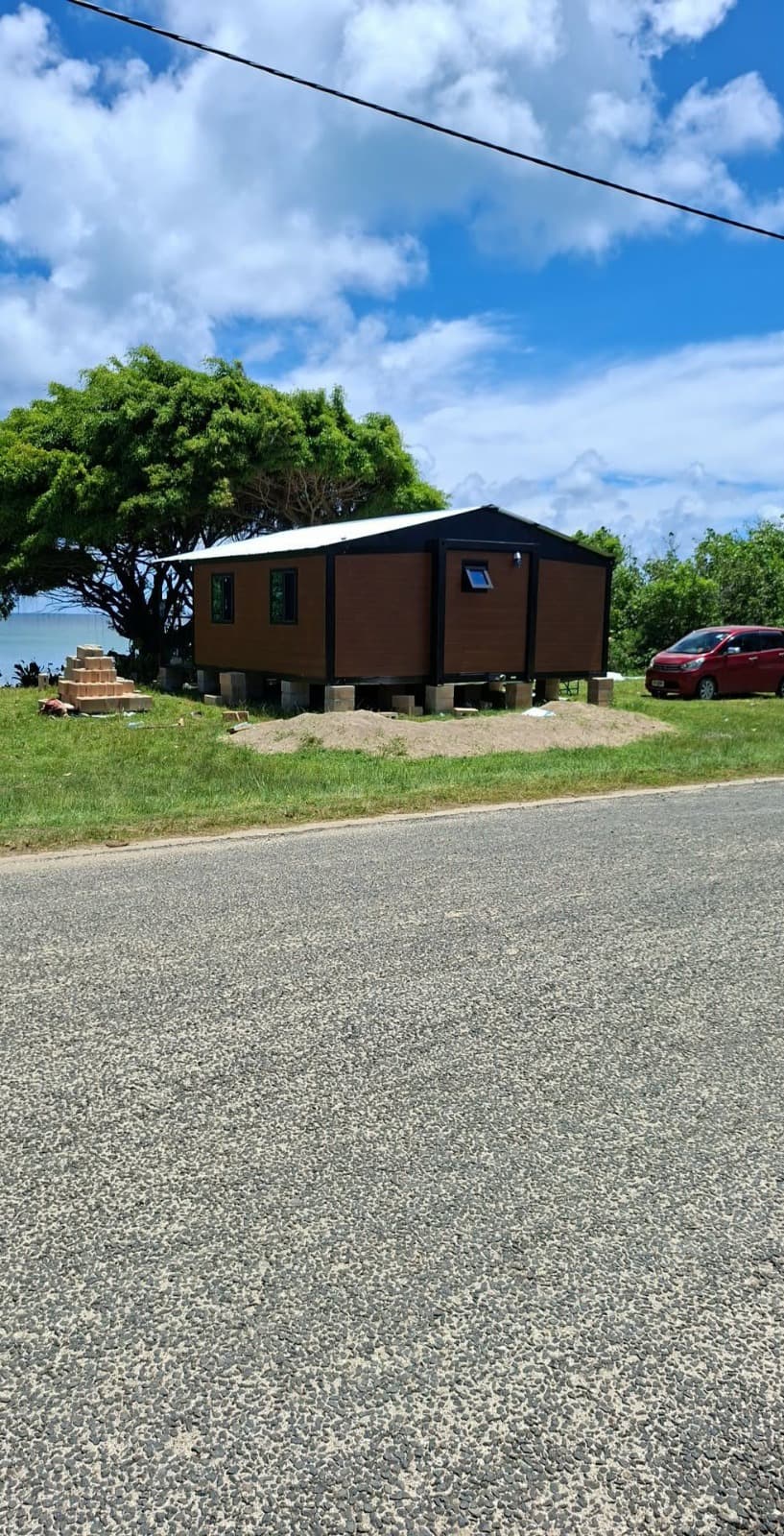
It is the question that stops most people before they buy: is this even legal where I want to put it? The answer is almost always yes - with the right land and a clear understanding of how these homes are classified. Here is the practical guide.
Temporary-structure classification
Bright Box Homes are classified as temporary structures. In most jurisdictions, temporary structures do not trigger the full residential building-code process that a permanent stick-built house would. That classification is the foundation of why these homes are so much easier to place than people expect - but it is not a universal free pass, which is why local rules still matter.
City vs county vs rural
Think of it as three tiers of difficulty. Inside city limits is the hardest: municipalities enforce zoning, residential design standards, foundation specs, and occupancy permits, and some restrict temporary structures outright. County land outside any city is easier. Rural, unincorporated land in a county with little or no zoning is the easiest of all - and it is where we steer most buyers.
The unrestricted land advantage
Unrestricted land - no zoning overlay, no HOA, no deed restrictions - removes the layers that make placement difficult. On unrestricted acreage you typically avoid design review, minimum-square-footage rules, and HOA approval entirely. Combined with the temporary-structure classification, it is the clearest path to legally placing and living in your home. Many rural Texas counties, among others, offer exactly this.
ADU and accessory-use rules
If you want to place a home on a lot you already own, look into accessory dwelling unit (ADU) rules. A growing number of cities and states have loosened ADU regulations to encourage more housing, and an expandable home can sometimes qualify. Guest houses often fall under accessory-structure rules instead. These vary by jurisdiction, so confirm the specific use you intend.
The building-code reality
Be precise here: a temporary structure that does not require code compliance is not the same as a code-certified permanent dwelling. If you intend to use the home as a permanent primary residence in a jurisdiction with strict codes, you may face additional requirements. For most rural placements, recreational uses, ADUs, rentals, and off-grid living, the temporary-structure path is exactly what makes the project feasible.
How to check your jurisdiction
Do not rely on a listing or a forum post. Call the county planning or development office and the building department directly. Ask whether the parcel has zoning, whether temporary or modular structures are permitted, what permits (if any) apply, and what the setback and septic requirements are. Get answers before you buy the land - it is the cheapest insurance in the entire project.
Once you understand your local rules, the rest is the fun part. Explore our expandable container homes and read our guide to finding unrestricted land, then talk to our team about your specific site.