

Land & Placement
How to Find Unrestricted Land for Your Prefab Home
By the Bright Box Homes Team · 6 min read
Originally published December 12, 2024 · Updated June 2026
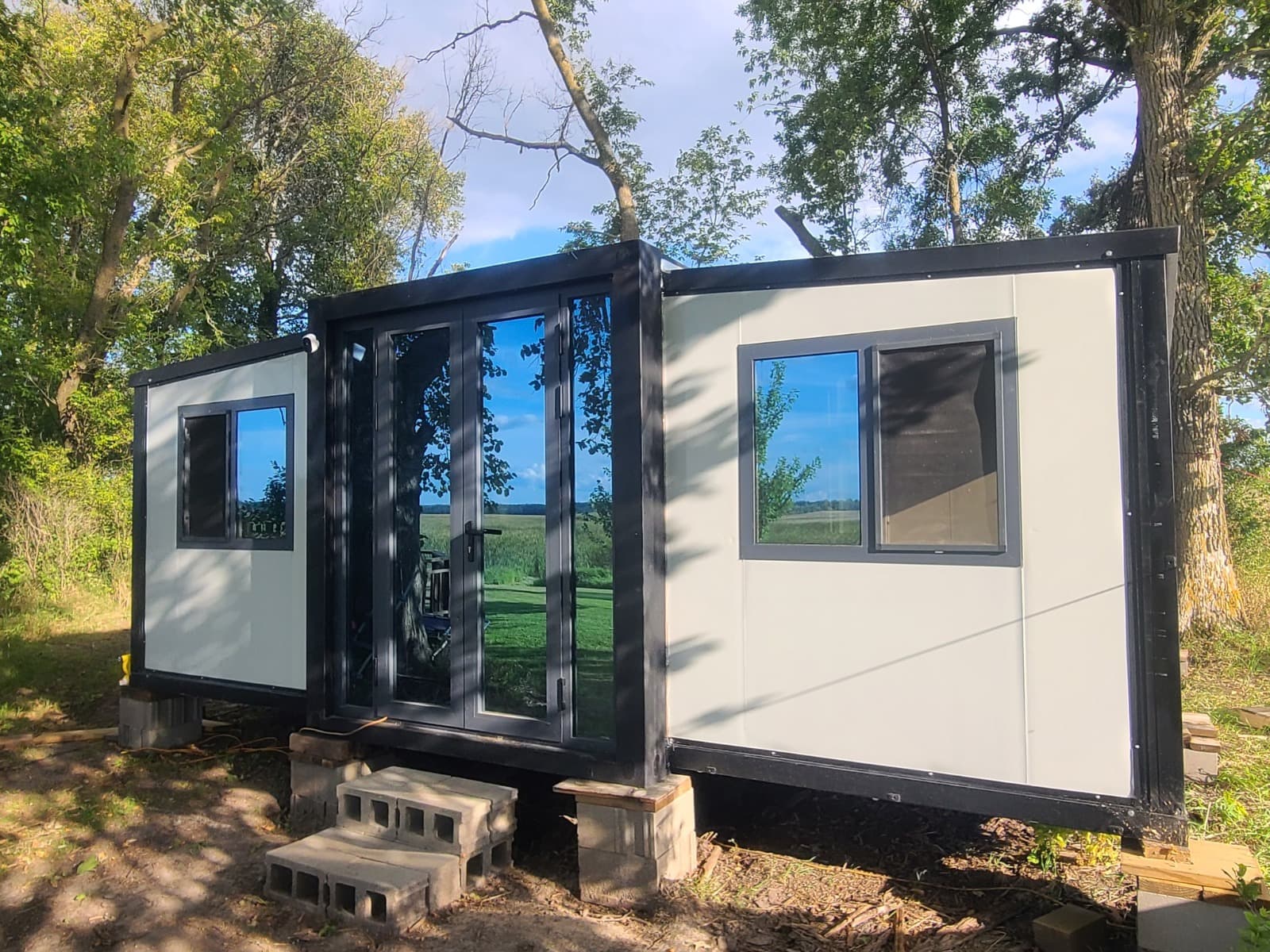
If there is one decision that determines how smooth your prefab-home project will be, it is where you put it. The single best placement strategy for an expandable container home is unrestricted land - rural parcels with no zoning overlay, no homeowners association, and minimal permitting. Get the land right and everything downstream gets easier.
What "unrestricted land" actually means
Unrestricted land is property with no deed restrictions, no HOA, and no residential design standards dictating what you can build or how it must look. In practice it usually means rural acreage in a county that has chosen not to adopt comprehensive zoning. On unrestricted land you are far more likely to be able to place a temporary structure like a Bright Box Home, live in it, and add solar or a well without fighting a design-review board.
It is the opposite of a typical subdivision lot, where covenants control everything from roof pitch to fence height and an HOA can block a container home outright. Those rules exist to protect property values inside the subdivision - but they are exactly what makes prefab placement difficult.
How to search for it
Start at the county level, not the city. Counties - not states - set most zoning, and they vary enormously even within the same state. Land-listing sites let you filter for acreage, and listings will often say "no restrictions," "no HOA," or "no zoning." Treat those as a starting point, then verify directly. Call the county planning or development office and ask two questions: does this parcel have zoning, and are temporary or modular structures permitted?
Pull the deed and any plat documents before you buy. Deed restrictions can run with the land even where there is no HOA, and they are the most common surprise. A title company or real-estate attorney can confirm what, if anything, is recorded against the parcel.
What to verify before you buy
Beyond restrictions, check the practical items that make a parcel livable. Confirm flood-plain status (FEMA flood maps are free to search), required setbacks from property lines and roads, and legal road access - a landlocked parcel without a recorded easement is a serious problem. Then confirm utilities: is grid power at the road, or will you go off-grid? Can you drill a well and install a septic system, and does the county require a perc test first?
Drainage and grade matter too. A level, well-draining pad is cheaper to build on and protects your home from moisture over time. Walk the land after rain if you can.
Best regions to look
Large parts of rural Texas are a favorite for exactly this reason - many Texas counties have little or no county-wide zoning, and unrestricted acreage is widely available and affordable. Similar opportunities exist across rural areas of the Mountain West, the South, and the Midwest. The pattern to look for is the same everywhere: unincorporated land, outside city limits, in a county without comprehensive zoning.
Why this is the #1 strategy for container homes
Bright Box Homes are classified as temporary structures, which already removes much of the building-code friction in most jurisdictions. Pair that classification with unrestricted land and you have the clearest possible path to placing your home, connecting utilities or going off-grid, and actually living in it - without a design board, an HOA, or a zoning variance standing in the way.
Once you have your land sorted, the rest is straightforward. Explore our expandable container homes from $35,995, and talk to our team about site requirements - we will help you think through access, foundation, and utilities before you commit.