

Off-Grid
Off-Grid Living with an Expandable Container Home: Solar, Water, and Power Setup
By the Bright Box Homes Team · 7 min read
Originally published January 18, 2025 · Updated June 2026
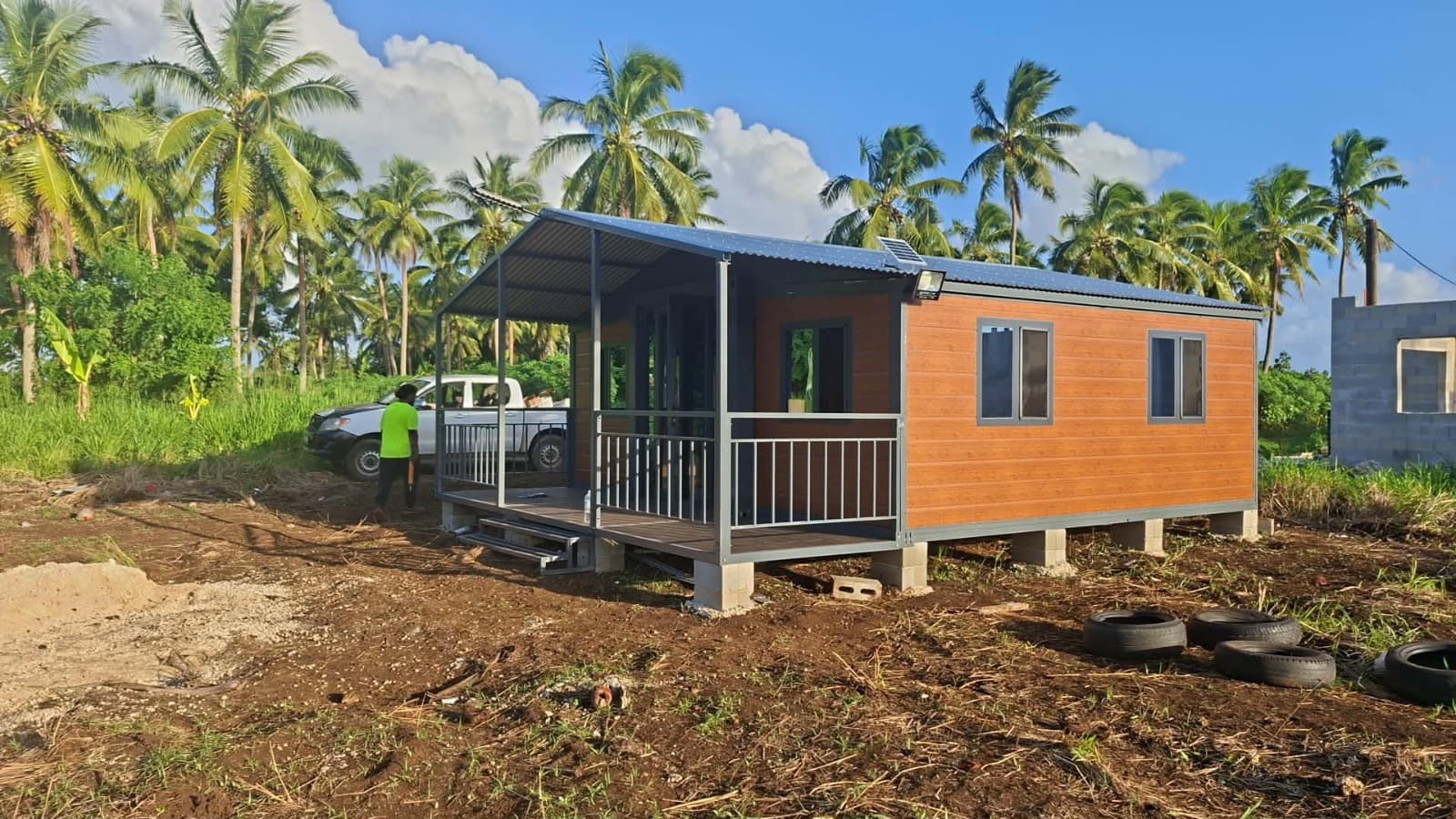
Going off-grid is one of the most popular reasons people choose an expandable container home, and it pairs perfectly with unrestricted rural land. With the right setup you can have full power, water, and comfort with no utility connection at all. Here is how the systems work together.
Power: solar and batteries
Solar is the backbone of an off-grid home. Bright Box offers solar-ready packages and 8kW and 10kW solar kits that can be factory-installed, sized to cover everyday loads like lighting, the mini-split HVAC, the cooktop, and appliances. Pair the panels with battery storage so you keep power after sundown and through cloudy stretches. An 8kW system suits a smaller, efficient home; step up to 10kW (or add panels) for larger units or heavier use.
Backup: generators
A generator is the safety net behind your solar and batteries. Bright Box offers generator-ready electrical and generator options from 15kW up to 22kW. For most off-grid setups, solar plus batteries handle the daily load and the generator covers extended low-sun periods or peak demand. Ordering the home generator-ready from the factory means the transfer wiring is built in, not retrofitted.
Water: well and rainwater
Off-grid water usually comes from a drilled well with a pump (which your solar system can power) or from rainwater collection with filtration. Check whether your county requires a permit or perc test before drilling. The home arrives plumbed and ready; you connect it to your water source on site.
Waste: septic
Without a sewer connection you will install a septic system. Cost depends on soil and system type, and many rural counties require a perc test to confirm the ground drains properly before they approve the install. Factor this into both your budget and your timeline - it is often the longest-lead item in an off-grid build.
Cooking and heat: propane
Many off-grid owners add propane for cooking and supplemental heat to reduce the load on their solar system. It is a simple way to keep your battery bank focused on the essentials.
Putting it together
A practical off-grid Bright Box Home looks like this: an efficient expandable unit with the 3-inch Rockwool insulation upgrade, an 8kW or 10kW solar kit with battery storage, a generator for backup, a well or rainwater system, and septic. Order the solar-ready and generator-ready packages from the factory so the home arrives wired for it. Add unrestricted rural land and you have a self-sufficient home with no monthly utility bills.
Explore our expandable container homes and the available solar and power upgrades, then talk to our team about designing an off-grid configuration for your site.